Cut Your Skincare Routine to 10 Minutes and Actually See Better Skin
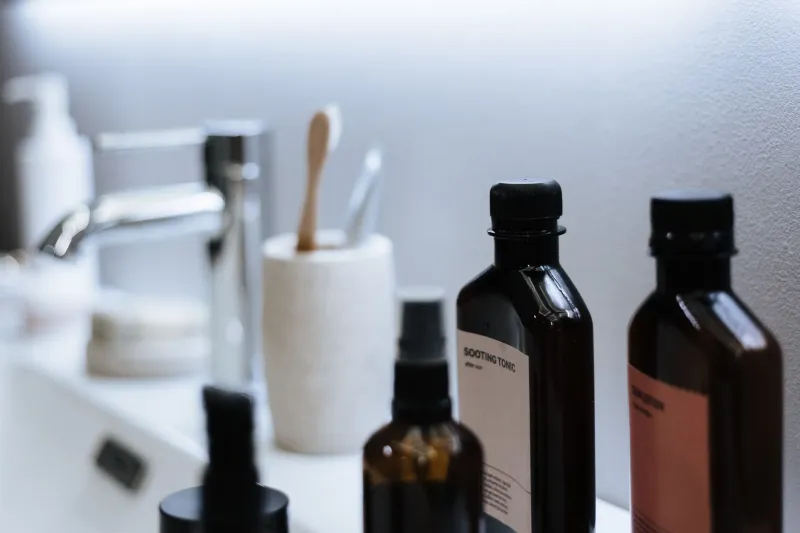
Your alarm goes off. You've got exactly enough time to shower, get dressed, and make it to your 8 a.m. without looking like you slept in your car. And yet, somehow, your bathroom counter is lined with eleven different products that all promise to be "essential."
Something's gotta give.
A growing wave of dermatologists, estheticians, and frankly exhausted professionals across the US are pushing back against the maximalist skincare era — and the results are turning heads. Turns out, doing less, but doing it smarter, is the fastest route to genuinely healthy skin.
The 12-Step Lie Nobody Wants to Admit
Blame K-beauty. Blame influencers. Blame the $200 billion global skincare industry that profits every time you add another serum to your cart. However it happened, the average American bathroom now houses more skincare products than most people can name on the spot.
"The multi-step routine became a status symbol more than a skincare strategy," says Dr. Alicia Rand, a board-certified dermatologist based in Chicago. "Patients come in with 15 products and genuinely compromised skin barriers because they're layering actives that cancel each other out or cause micro-irritation every single day."
The irony? More products can mean worse skin. Layering too many actives — think vitamin C, retinol, AHAs, BHAs — without understanding how they interact is like flooring the gas and the brake at the same time. You're not going anywhere fast, and you're burning out the engine.
What Actually Matters (According to the People Who Know)
Strip it all back and dermatologists consistently agree on three non-negotiables: cleanse, moisturize, protect.
That's it. That's the foundation.
"If someone does nothing else, I want them doing those three things consistently," says licensed esthetician Marco Delgado, who works with clients in New York and Los Angeles. "A gentle cleanser, a solid moisturizer with ceramides or hyaluronic acid, and SPF 30 or higher every single morning. That protocol, done daily, beats an inconsistent 12-step routine every time."
Consistency, it turns out, is the real performance hack. Your skin responds to routine — the same way your body clock responds to a consistent sleep schedule. Showing up with three good products every day beats rotating between ten mediocre ones.
The 10-Minute Blueprint
Here's how to structure a morning routine that's lean, effective, and won't make you late:
Minutes 1–2: Cleanse Skip the foaming cleanser that strips your skin down to nothing. A gentle, low-pH cleanser or even a simple micellar water does the job without wrecking your moisture barrier. Thirty seconds of actual face-washing is sufficient — you're removing overnight oil and dead cells, not prepping for surgery.
Minutes 3–5: Target (One Thing Only) If you're going to use an active ingredient — vitamin C for brightening, niacinamide for pores, or a lightweight retinol alternative like bakuchiol — pick one and use it consistently. Not all three. Not every other day. One product, every morning, applied while your skin is slightly damp for better absorption.
Minutes 6–8: Moisturize A fragrance-free moisturizer with ceramides, peptides, or hyaluronic acid. You don't need separate eye cream, neck cream, and face cream. A good moisturizer works everywhere. Apply upward and outward, and you're done.
Minutes 9–10: SPF This is the one step most Americans still skip, and dermatologists will argue it's the single most impactful thing you can do for your skin long-term. UV damage is the leading cause of premature aging, hyperpigmentation, and skin cancer. A tinted SPF 50 moisturizer knocks out two steps and gives you a natural, polished look with zero extra effort.
Total time: ten minutes. Total products: three to four. Total results: measurable.
The Expensive Stuff That's Mostly Hype
Let's talk about the products eating your time and your paycheck without delivering proportional results.
Toners: Unless you're using a targeted toner with a specific active (like a BHA toner for acne-prone skin), most toners are glorified water with fragrance. Skip it.
Facial mists: Spraying water on your face does not hydrate your skin. Water evaporates and can actually pull moisture from your skin barrier on the way out. Mists are a vibe, not a treatment.
Separate eye creams: The skin around your eyes is thinner, yes — but a good moisturizer applied gently does the same job. The "eye cream" category exists largely because it commands a higher price point for less product.
Sheet masks daily: Once or twice a week as a treat? Sure. But daily masking is time you're spending for a temporary glow that fades in hours.
"I tell my clients to think of their routine like a sprint, not a marathon," Delgado adds. "Short, intense, targeted. You're not trying to do everything — you're trying to do the right things."
The Fastest Way to Transition
If you're currently running the full 12-step circuit and want to dial it back without losing your mind, do this: spend one week tracking which products you actually reach for every morning without thinking. Those are your keepers. Everything else is negotiable.
Then audit your actives. Go online and check whether the ingredients in your routine are compatible — there are free tools that do this in under a minute. Anything that conflicts gets cut or moved to a different time of day.
Finally, invest in quality over quantity. One $45 SPF moisturizer that you'll actually use beats four $12 products that sit untouched because the routine feels like a chore.
Speed and Skin: The Bigger Picture
Here's the part nobody in the beauty industry wants you to hear: your skin doesn't care how many steps you take. It cares whether those steps are consistent, compatible, and actually suited to your skin type.
The minimalist routine trend isn't about being lazy. It's about being efficient — the same principle that drives everything worth doing at full speed. You're not cutting corners. You're cutting the fat.
Ten minutes. Three products. Every single day.
That's not a shortcut. That's the whole race.